Thai king heads to China for landmark state visit


November 12, 2025 13:17 
Marwaan Macan-Markar – Nikkei Asia 
 

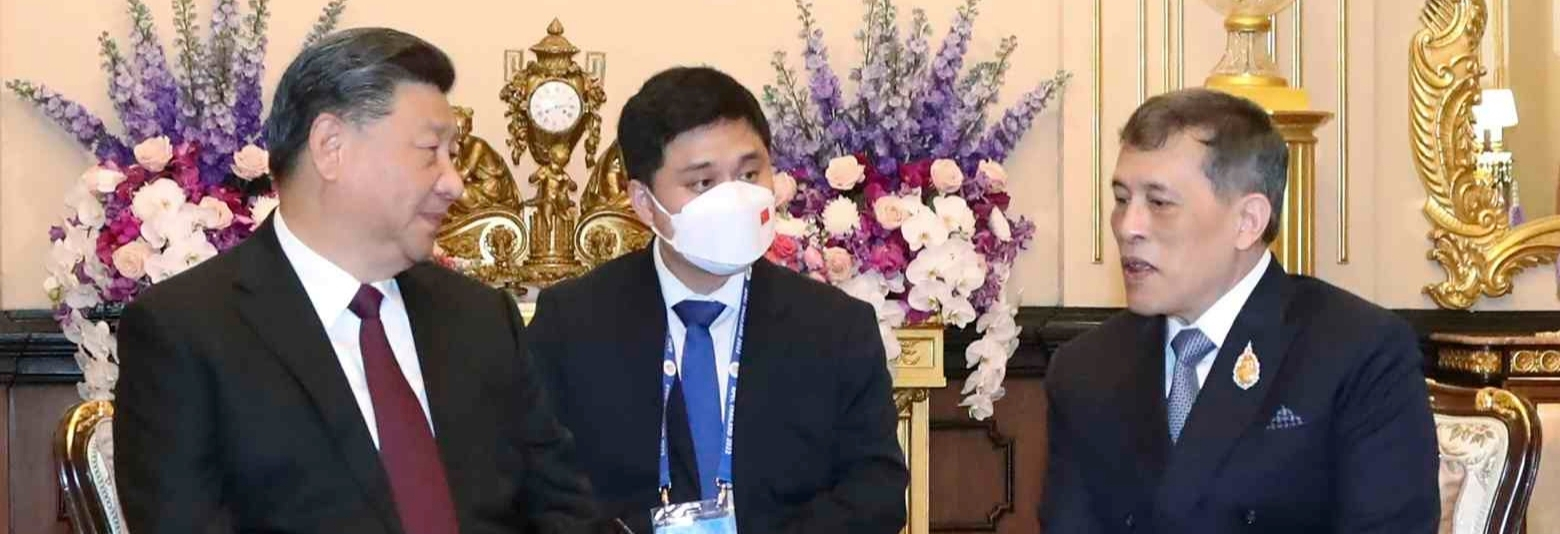
BANGKOK — Thai King Maha Vajiralongkorn will break diplomatic ground when he arrives in China for a five-day state visit on Thursday, the first by a Thai monarch since the Chinese Communist Party swept to power in 1949.

The trip by the 73-year-old king and Queen Suthida caps a series of events this year to celebrate the 50th anniversary of the nations restoring diplomatic ties — a move that ended a Cold War chill when Thailand closed ranks with the U.S. and recognized Taiwan.

Beijing had pressed for this visit since Chinese President Xi Jinping met the king and queen in Bangkok in 2022. Xi followed up the invitation with reminders to three Thai prime ministers he met, according to well-placed Thai political sources. Last month in South Korea, Xi was caught on camera asking Thai Prime Minister Anutin Charnvirakul if the Thais had any “special requests” regarding the protocol of the monarch’s visit. 

Exploring China’s cultural roots and modern technology will dominate the royals’ trip. It will include visits to the Lingguang Buddhist Temple in Beijing, the Beijing Aerospace City and the Innovative Center of Humanoid Robotics. 

The significance of this visit by the king, in the ninth year of his reign, has not been lost on observers. “What had been missing in the restoration of Thai-Chinese ties since 1975 was summit diplomacy by the Thai king in China,” said Pinitbhand Paribatra, a political scientist at Bangkok’s Thammasat University. “This visit will complete that missing piece in Thailand’s multidimensional relations with China, and bring it to the level of ties we have had with the U.S.”

Vajiralongkorn’s sister, Princess Sirindhorn, is a well-known Sinophile and has visited the country regularly; in 2019, Xi awarded her China’s Friendship Medal. And Vajiralongkorn visited in 1987, when crown prince, as a representative of his father, the late King Bhumibol Adulyadej.

Thailand’s U.S. relations were cemented in 1960, when Bhumibol visited Washington and delivered an address to a joint session of the U.S. Congress. That royal visit was part of a flurry of international travel the current monarch’s father undertook from the late 1950s through the 1960s to project Thailand’s image on the world stage as a key ally of the Western, anti-communist bloc and as a frontline state in Southeast Asia during the Cold War. In 1960, Bhumibol and Queen Sirikit, who died last month, visited 17 countries.

Vajiralongkorn’s visit to Beijing, seven months after his inaugural foreign trip to the Himalayan kingdom of Bhutan, comes against a backdrop of expanding economic ties between the countries. China has been Thailand’s top trade partner for over a decade and has recently emerged as its largest foreign investor, through the financing of electric vehicle production and a high-speed-train line under its infrastructure diplomacy. The inflow of Chinese tourists has bolstered the Thai economy in recent years, although arrivals have plummeted this year over safety concerns following the kidnapping of a Chinese actor.

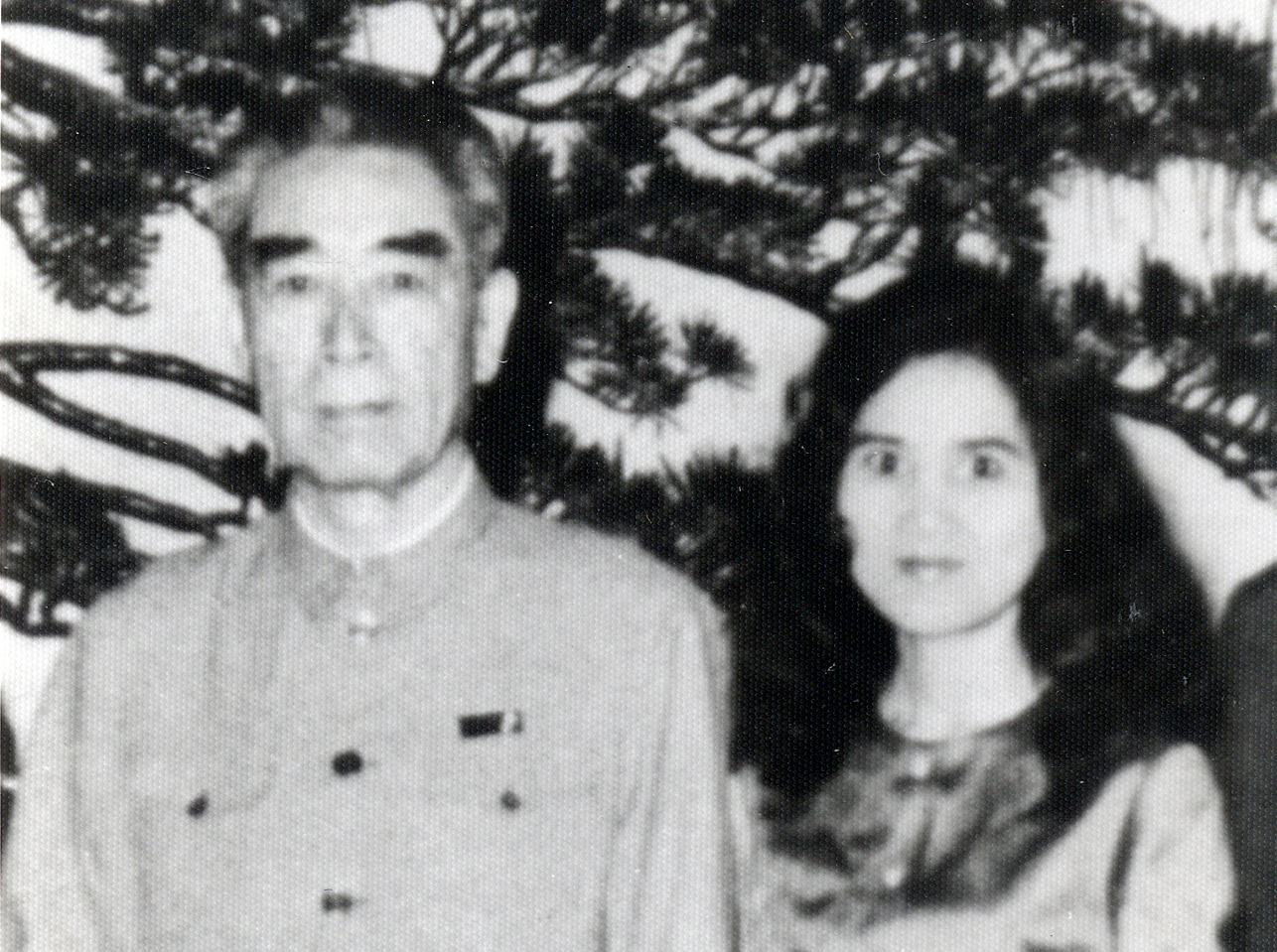
The broader healthy relations are a far cry from the Cold War years before the 1975 restoration of bilateral ties. “In the midst of the Cold War between 1950-1972, China saw Thailand as an enemy because it was aligned with the U.S. Thailand was considered a lackey of the U.S.,” said Sirin Phathanothai, author of “The Dragon’s Pearl,” an evocative memoir of her life as a Thai child growing up in China under the protection of party leaders such as Prime Minister Zhou Enlai. “The Thai government during that period saw Chinese as a communist threat, and Thais who had ties with China were blacklisted and persecuted.” 

Her proximity to Zhou gave Sirin, now in her late 70s, a ringside seat to the detente that unfolded between China and Thailand  n the mid-1970s. “I was asked by Zhou Enlai and the Thai authorities to go to China in 1972 to play a role in ping-pong diplomacy. During that period, I helped to arrange secret negotiations between Thailand and China, which served as the framework for the signatures between the two countries,” she said in her Bangkok home that is full of memorabilia from that landmark period. “Zhou Enlai asked why we cannot become friendly neighbors, and he suggested a middle way to moderate ties.” 

Kasit Piromya, a former Thai foreign minister, said the diplomatic thaw “started on a difficult note,” but both governments’ commitment to stay the course was sustained. “We kept our end of the bargain by not giving full diplomatic relations to Taiwan, and Beijing kept its side of the bargain to stop supporting the communist party of Thailand,” he told Nikkei Asia. The decades that followed restored the long history of Thai-Chinese cultural, economic and political ties that predated the Cold War. “We have enjoyed a one-thousand-year history,” Kasit said. “That needs to be put into context to understand the current royal visit.”  

But it is also taking place when Thailand’s geopolitical relevance in Southeast Asia has declined, he added. “Thailand is no more a frontline state against Chinese threats, unlike in the past; that role has shifted to Taiwan, Vietnam and the Philippines.”

Related Posts